



Making Beneath the Surface
A run of mini documentaries for Compass Media's news station, across subjects with nothing in common but the island they happen on.
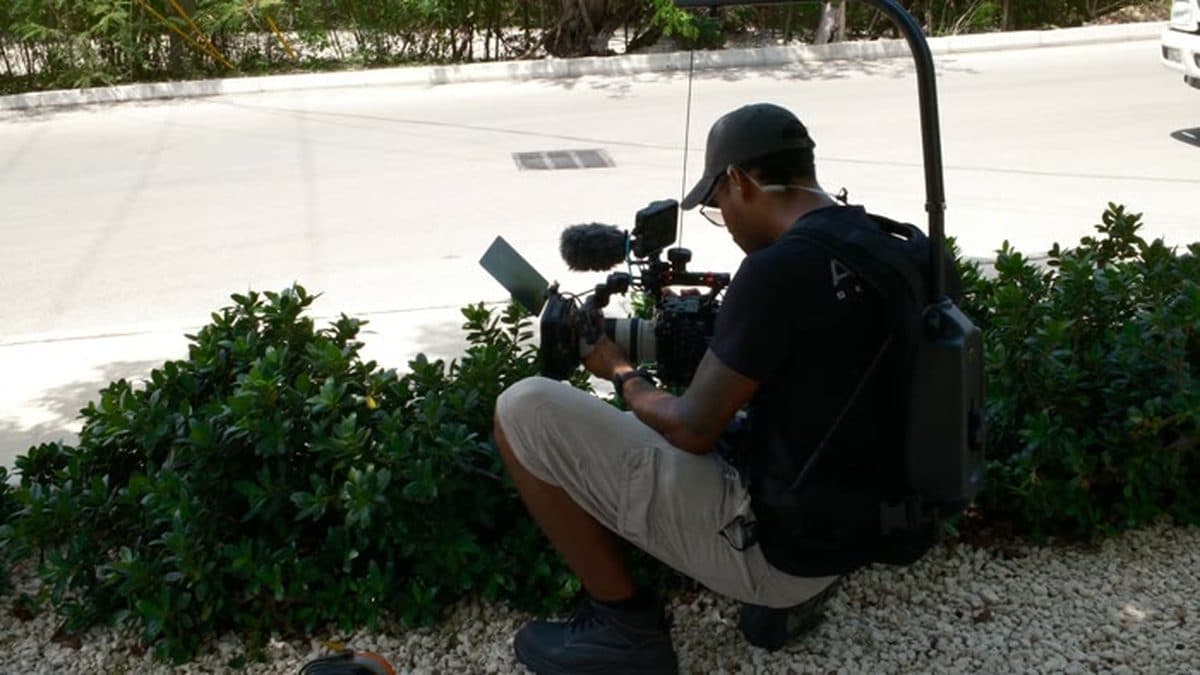
Compass Media was launching a news station, and a news station needs more than news. It needs original programming: things people come back for that are not tied to the day's headlines.
The commission was a run of mini documentaries for a strand called Beneath the Surface, badged as Compass TV Originals, alongside a separate set of Daybreak segments. Short films on unrelated subjects, one house look holding them together, delivered against a broadcast schedule.
Subjects with no common thread
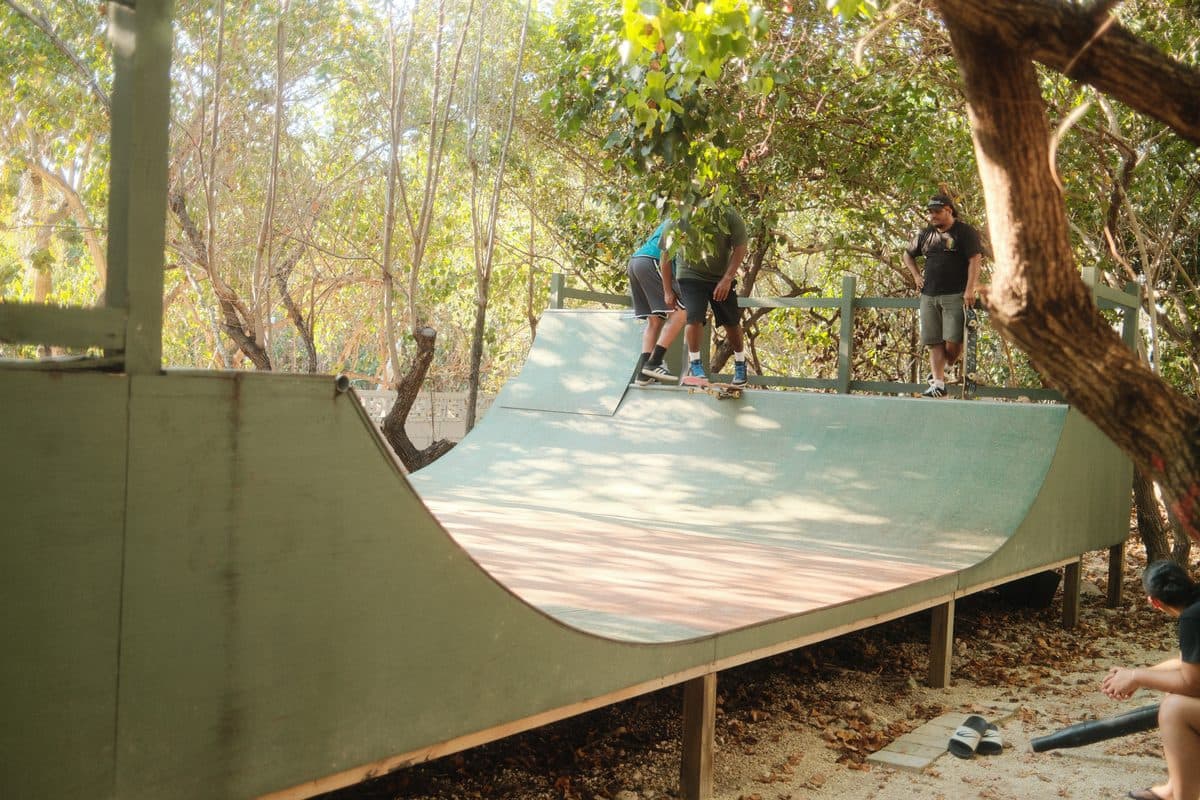
Mica's story and Mariner Surf Co. The skateboard scene. The police helicopter unit. The Cayman Islands Regiment. The Compass archive. Special Olympics. The Coast Guard. The Fire Service. A bee farm that became Reagan's Honey. Women's rugby, mosquito research and control, hot sauce.
Nothing connects those except that they are all here, and that is the point of a strand like this. What has to connect them is the filmmaking.
The real constraint was volume against value
The brief was to hold a high production value across the whole run while keeping the cost per film low enough that a station could commission a strand of them at all.
Those two things pull against each other, and there is no clever trick that resolves it. What resolves it is method. You build a repeatable shape for the films so that every one is not a fresh invention. You settle the look once, the interview setup once, the grade once. Then each film is a matter of execution rather than design, and the time you save goes back into the shoot, which is the only place it shows on screen.
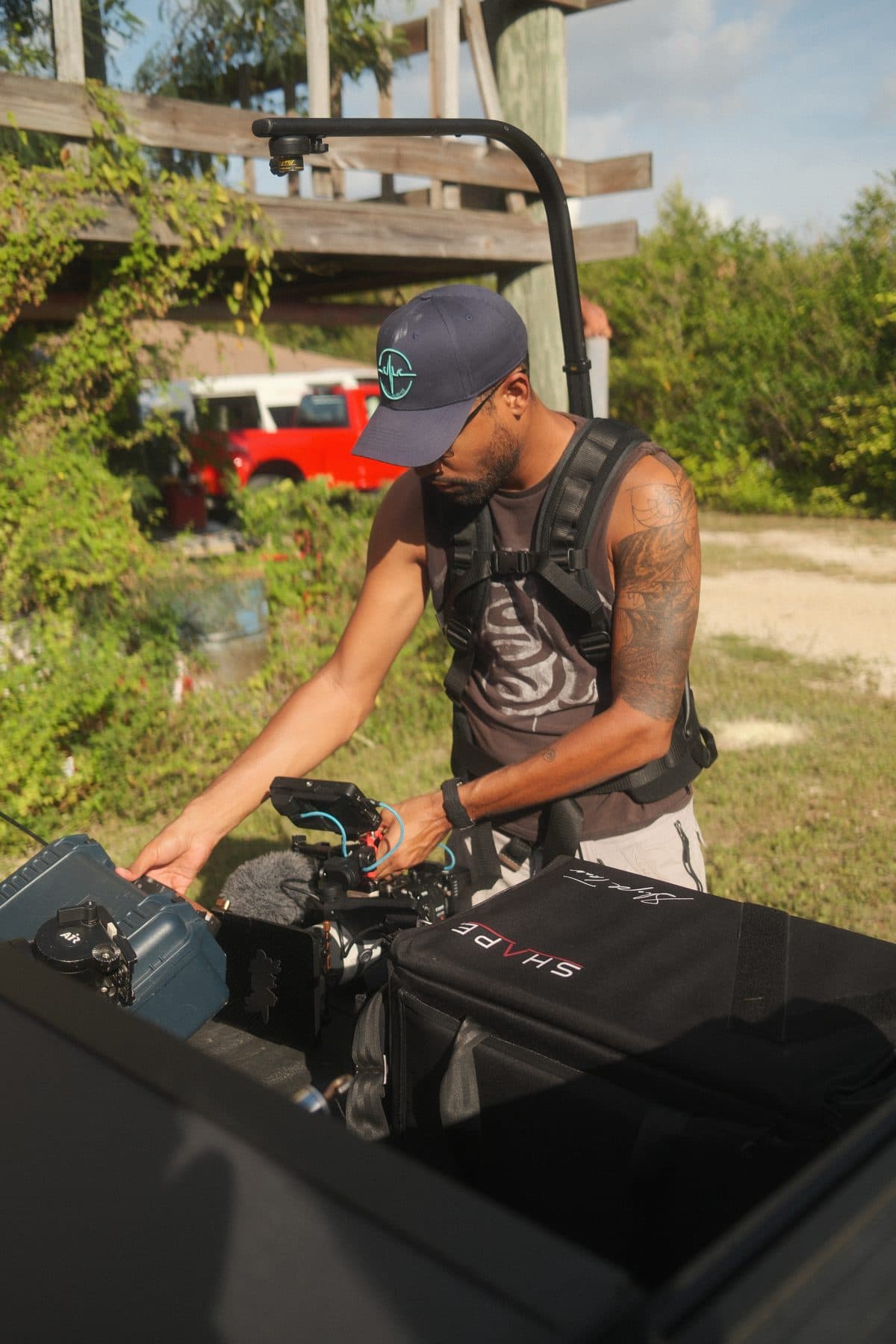
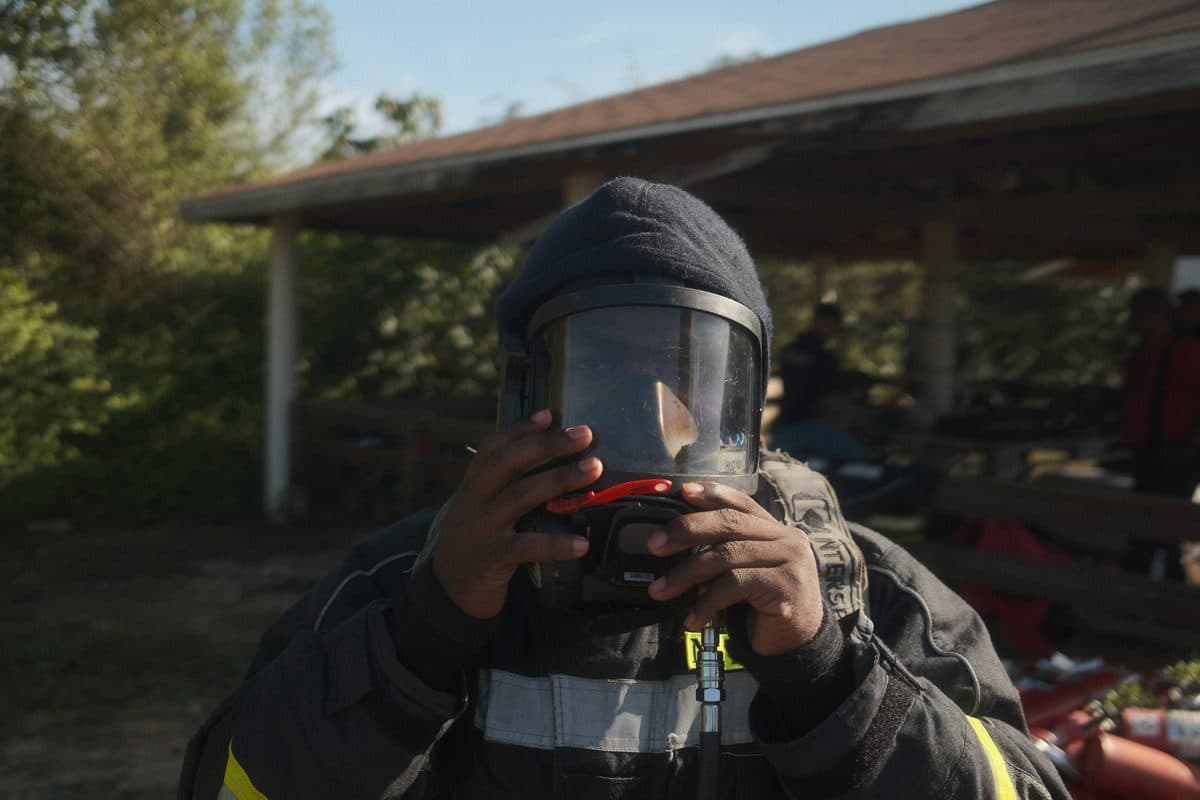
Filming around the day job
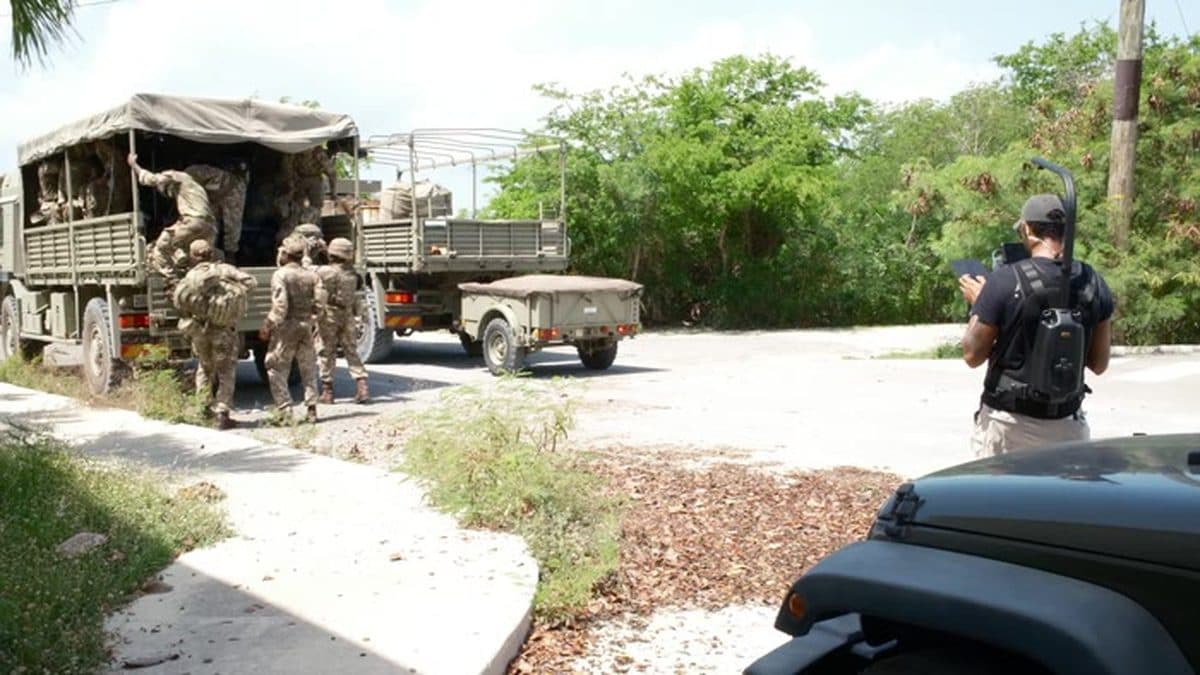
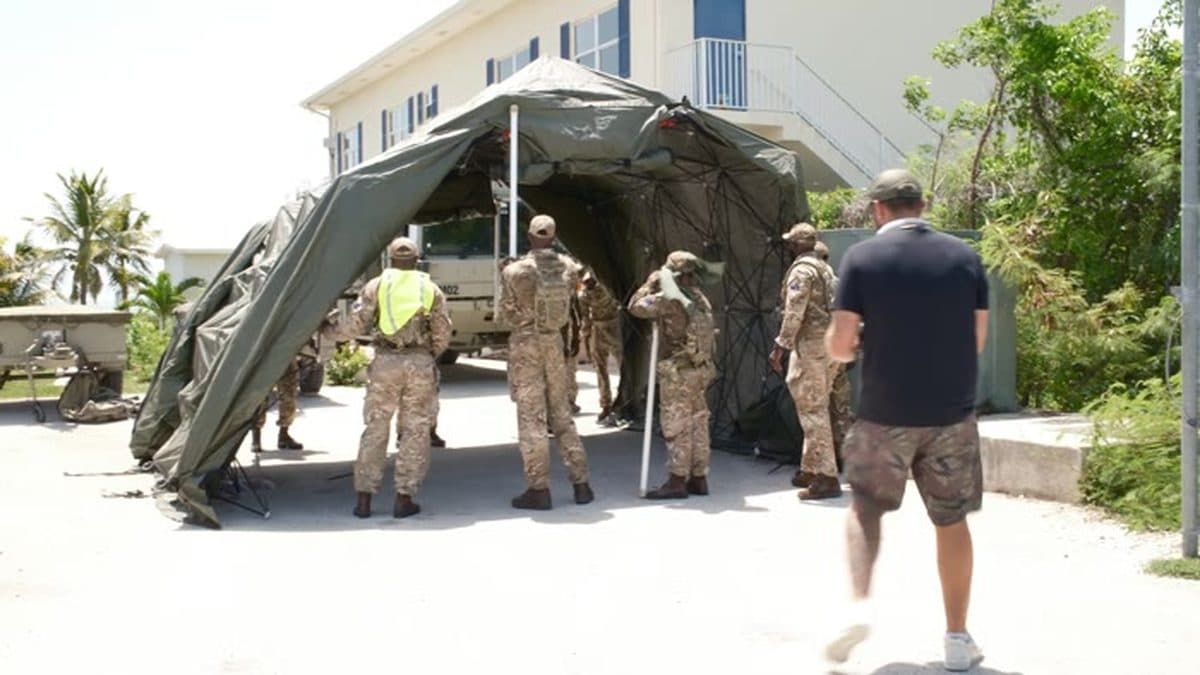
Many of these were about institutions that cannot rearrange themselves around a camera. The police helicopter unit, the Fire Service, the Coast Guard, the Regiment.
You do not book those. You fit into them. Their operations, their readiness, their training calendar, and if something real happens that day then whatever you had planned stops mattering.
Practically that means going in with a short list of what the film genuinely cannot do without, and being ready to get it in whatever window opens. It also means accepting that the beautiful sequence you imagined may simply not be available, and the film has to be built from what the day actually gave you. Documentary at this scale is less about directing than about recognising, quickly, what you have.
A dedication
The film about the police helicopter unit carries a dedication to Andrel.
I had worked with him years earlier at Westar, the island's television station back then. We were not close. But the news of his passing landed hard, and putting his name on one of these films felt like the right thing to do.
Some of it was a co-production
Several of them were made with Boka rather than by Armada alone: the rugby film, two separate mosquito research films, and hot sauce.
Sharing a strand with another production company is not the obvious move when your name is on the contract, but it is the right one when the alternative is either a slower delivery or a thinner film. The strand had to feel consistent, which meant agreeing the look up front and then trusting it.
What this one proves
A single commercial proves you can make a film. A run of documentaries across a year, to a broadcaster's schedule, at a cost per film that let the strand exist at all, proves something else: that a small operation can carry a channel's original programming.
That is a different question from whether the reel looks good, and it is the question a broadcaster is actually asking.